
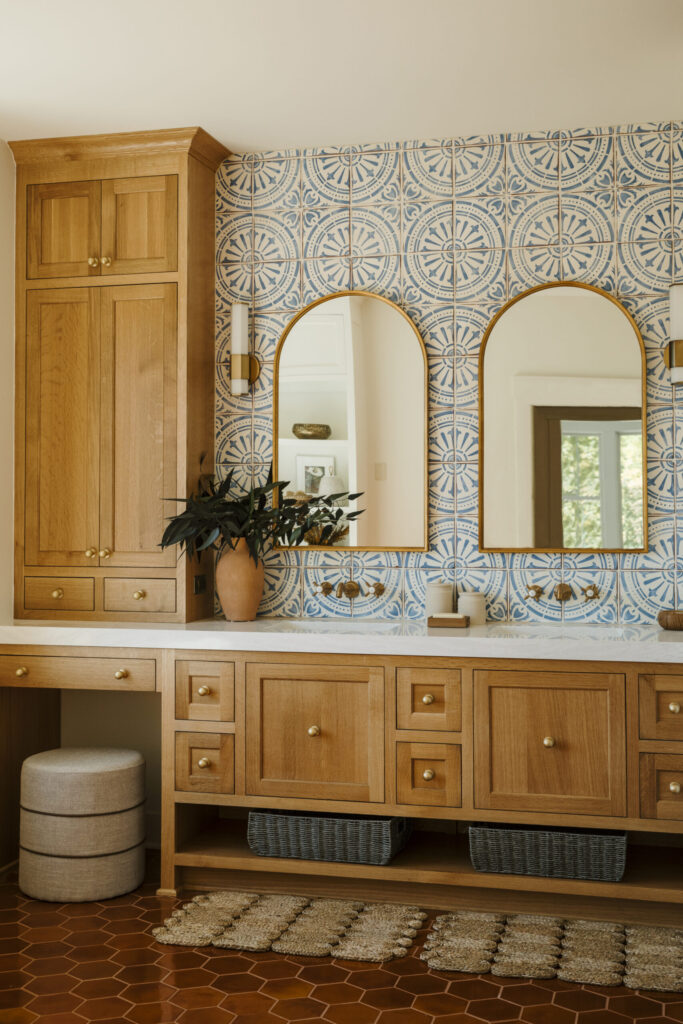
There are materials that trend. And there are materials that return.
Terracotta is not trending. It is returning — to its rightful place as one of the most beautiful and emotionally resonant floor and wall materials in residential design. And the designers who are specifying it now are not chasing a moment. They are making a material choice that will look more beautiful, not less, with every year that passes.
“Terracotta is the material I get the most questions about right now,” says Vanessa, Famosa’s business partner and day-to-day lead. “And what I find when I talk to designers about it is that most of them have always loved it. They are not discovering it for the first time. They are giving themselves permission to specify it again — because the design culture has finally caught up to what they knew was right all along.”
Famosa Tile’s Costa Mesa showroom carries one of Orange County’s most considered terracotta selections — spanning handmade Mexican and Spanish formats, encaustic cement tile in terracotta palettes, and contemporary large-format fired terracotta with modern production standards. Here is everything a designer needs to know before specifying it.
What Terracotta Actually Is
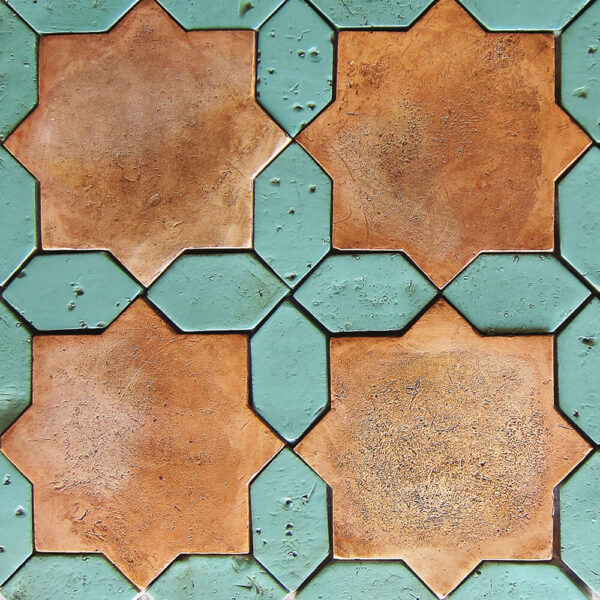
The word terracotta means “baked earth” in Italian — and that is exactly what it is. Terracotta tile is made from natural clay, shaped and then fired at relatively low temperatures compared to porcelain. The result is a tile that retains the warmth, variation, and organic character of its raw material.
Traditional handmade terracotta — still produced by artisan manufacturers in Mexico, Spain, Portugal, and Morocco — is formed by hand and fired in wood or gas kilns. Each piece carries the marks of its making: slight variations in size, surface texture, and the warm amber-to-rust color range that comes from the iron content of the clay and the specifics of the firing.
Contemporary machine-made terracotta offers more consistent sizing and surface finish while retaining much of the warmth and character of the handmade product — often at a more accessible price point for larger projects.
Why Terracotta Is Having This Moment
The return of terracotta is not coincidental. It is a direct response to a decade of hyper-uniform, ultra-polished surfaces that prioritized perfection over warmth. The design aesthetic that dominated the 2010s — large-format white tile, polished concrete, perfectly seamless everything — has given way to something more human, more historically rooted, and more alive.
Terracotta is the antithesis of that aesthetic, and that is exactly why it is resonating.
In Southern California specifically, terracotta connects to the region’s deepest architectural DNA. The Spanish Colonial and Mission Revival architecture that defines so much of Orange County and greater Los Angeles was built around terracotta floors, clay roof tiles, and the warm earthy palette that comes from fired clay. Specifying terracotta in these contexts is not a trend choice. It is a historically correct material decision.
Beyond the architectural resonance, terracotta photographs beautifully. In an era when a designer’s portfolio lives as much on Instagram and Pinterest as in print, this matters. The warm, glowing quality of a terracotta floor in morning light has become one of the most shared design images in the current cycle.
Where Terracotta Works
Terracotta is most commonly specified for floors — and that remains its strongest application. Kitchen floors, dining room floors, entry halls, and outdoor-to-indoor transitional spaces are all natural homes for terracotta.
In kitchens specifically, terracotta creates a warmth that is difficult to achieve with any other floor material. It grounds the space, contrasts beautifully with stone countertops and white cabinetry, and develops a patina over time that only improves with age.
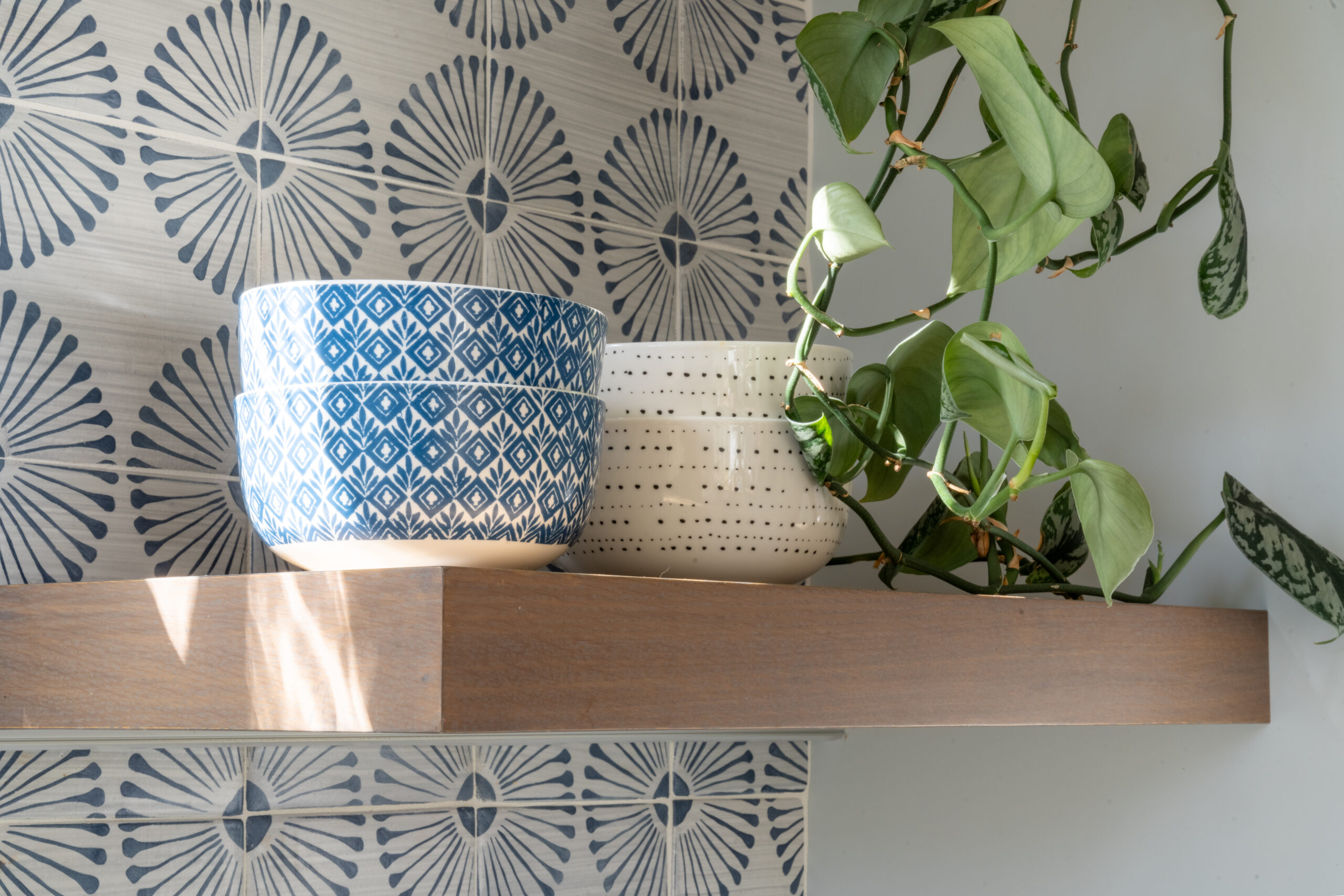
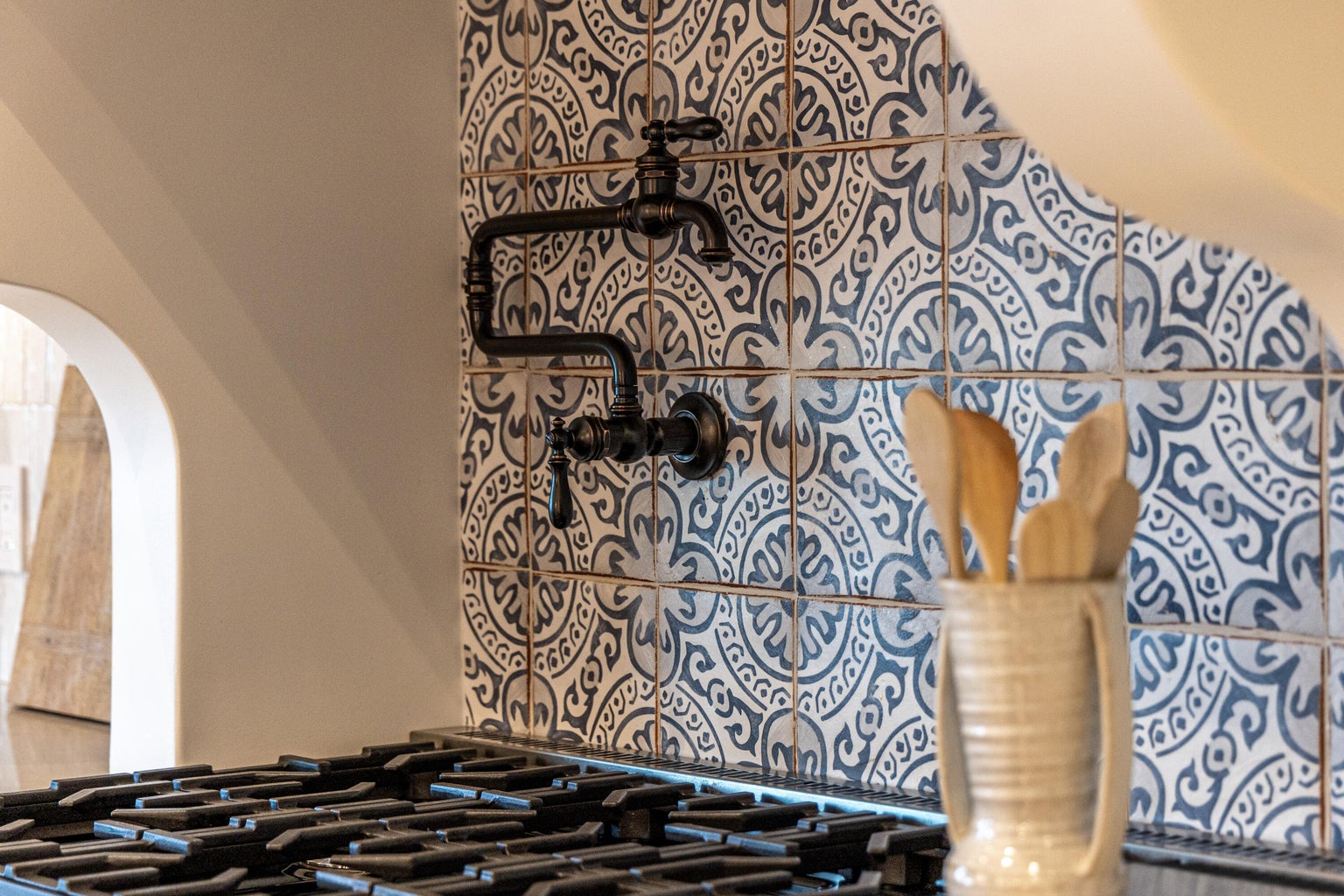
For wall applications — backsplashes, fireplace surrounds, and accent walls — smaller-format handmade terracotta and terracotta-glazed zellige create texture and depth that no large-format tile can replicate.
The caveat: terracotta is not appropriate for every application. In high-traffic commercial settings, terracotta’s relative softness will show wear more readily than porcelain. In bathrooms, terracotta requires a penetrating sealer appropriate for wet environments and regular maintenance. For pool decks and other exterior applications fully exposed to pool chemicals, terracotta is not recommended.
The Sealing and Maintenance Conversation
Terracotta is a porous material. Unsealed terracotta will absorb water, cooking oils, foot traffic oils, and staining agents rapidly. Sealing is not optional — it is the essential step that determines whether a terracotta floor develops a beautiful, glowing patina or a permanently stained mess.
The good news is that properly sealed terracotta is genuinely low-maintenance. A penetrating sealer that is applied before grouting (to protect the tile faces from grout staining) and again after installation, and refreshed every two to three years, will protect the material and develop a rich surface character over time.
“The sealing conversation is the one I always have with designers before they specify terracotta,” Vanessa says. “Not to scare them off the material — but to make sure the homeowner goes into it with clear expectations. Properly sealed terracotta that is maintained is a floor that gets more beautiful with age. That is one of the only materials that can honestly say that.”
What Famosa Carries and How to Specify It
Famosa’s terracotta selection spans handmade 12×12 and irregular formats from artisan producers, hexagonal terracotta in both classic and contemporary colorways, and encaustic cement tiles in terracotta palettes for clients who want the visual warmth of terracotta with enhanced surface hardness.
As with all Famosa materials, the showroom installation — where terracotta is displayed at floor scale in real light conditions — is the only way to truly evaluate the material. Terracotta looks fundamentally different in a sample card than it does across twelve square feet of installed floor.
Designers are always welcome to schedule a private appointment with Vanessa or Angela to view the full terracotta collection and discuss specification logistics.
| Famosa Tile is Orange County’s most distinctive tile and stone showroom, located in Costa Mesa. Visit famosatile.com or follow @famosatile. |
Meta description: Terracotta tile is having its most significant moment in decades — and it is not a passing trend. Famosa Tile in Costa Mesa carries one of Orange County’s most thoughtfully sourced terracotta selections. Here is what every designer needs to know.
Primary keywords: terracotta tile Orange County, terracotta tile Costa Mesa, Mexican tile showroom OC, terracotta floor tile Southern California, handmade terracotta tile Orange County, terracotta tile interior design SoCal
GEO signals: Costa Mesa, Orange County, Newport Beach, Southern California, Los Angeles, San Diego
AEO targets: “Is terracotta tile trending?” · “How do you seal terracotta tile?” · “What rooms work best with terracotta?” · “Where to buy terracotta tile in Orange County?”